Fueling for Your First 10K Race
A practical nutrition guide to optimize your training and race day performance.

Written by Afnisya Merlinda, S.Gz, RDMar 10, 2026 · 10 min read
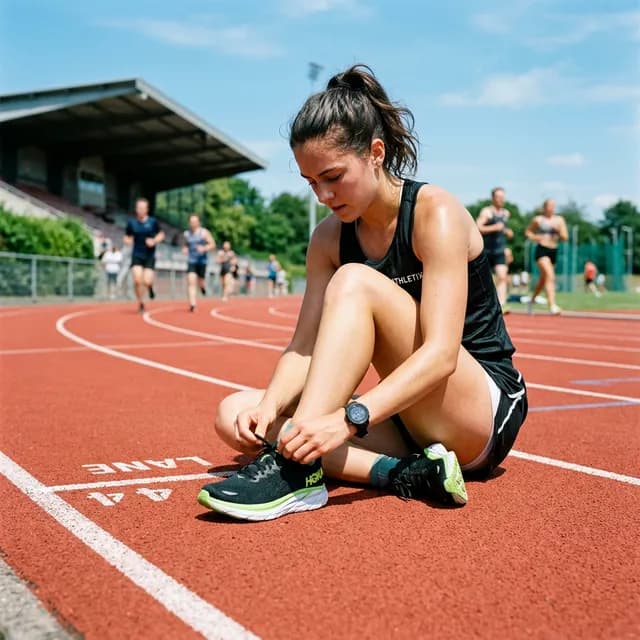
Signed up for your first 10K race? Congratulations! 🎉
Maybe you've started following a running plan, tracking your pace, searching for the perfect running shoes, or even creating a special playlist for race day.
But there's one important part of 10K preparation that beginners often overlook: proper nutrition to support your energy, performance, and recovery.
Many first-time runners focus heavily on training but don't pay much attention to what they eat before, during, and after their runs.
The truth is, your body needs enough fuel to perform well. Even with consistent training, running can feel significantly harder if you're under-fueled, dehydrated, or eating foods that don't sit well with your stomach.
As a dietitian, I believe that preparing for a 10K isn't just about how far or how fast you can run. It's also about learning how to fuel your body properly.
So, if you're preparing for your very first 10K race, let's go through some practical, beginner-friendly nutrition tips to help you feel more confident on race day.
1. Carbohydrates Are a Runner's Best Friend, Not the Enemy
If you're training for a 10K, it's time to stop being afraid of carbohydrates.
During running, especially at moderate to high intensities, your body relies heavily on carbohydrates for energy.
Carbohydrates are stored in your muscles and liver as glycogen, which helps fuel physical activity and maintain performance.
When carbohydrate intake is too low, you may feel tired sooner, struggle to maintain your pace, or find your workouts more challenging than usual.
According to sports nutrition guidelines from the American College of Sports Medicine (ACSM), adequate carbohydrate intake plays an important role in supporting endurance exercise.
Some everyday carbohydrate sources include:
- Rice
- Bread
- Oatmeal
- Potatoes and sweet potatoes
- Pasta
- Bananas and other fruits
You don't need expensive sports nutrition products to fuel your runs. Regular meals can provide plenty of the energy your body needs.
Gooddiet Tips: Don't drastically cut carbohydrates while training for your first 10K just because you're worried about gaining weight. Your carbohydrate intake should support your training and individual energy needs.
2. What Should You Eat the Day Before a 10K Race?
The day before race day, many beginners start overthinking their food choices.
Some eat an enormous bowl of pasta because they've heard about carbohydrate loading. Others eat less than usual because they're worried about feeling too full during the race.
But here's the good news: most recreational 10K runners don't need an aggressive carbohydrate-loading strategy.
Carbohydrate loading is generally more relevant for endurance events lasting longer than approximately 90 minutes, depending on intensity and individual needs.
For your first 10K, the priority is to eat enough throughout the day and maintain adequate carbohydrate availability.
Here are a few practical tips:
- Eat regular, balanced meals.
- Include carbohydrates in your main meals.
- Consume enough protein to support muscle recovery.
- Stay hydrated throughout the day.
- Avoid unfamiliar foods or supplements.
- Limit very spicy, greasy, or heavy meals if they tend to upset your stomach.
Here's an example of a simple pre-race meal plan:
Breakfast: Toast, eggs, and a banana.
Lunch: Rice, grilled chicken, cooked vegetables, and tofu.
Afternoon snack: Bread or fruit.
Dinner: Rice, chicken or fish, and a comfortable portion of cooked vegetables.
You don't need to eat until you're uncomfortably full. Stick to familiar foods that your digestive system handles well.
Gooddiet Tips: The night before your race is not the best time to experiment with a new restaurant, extremely spicy food, or supplements you've never tried before.
3. Pre-Race Breakfast: Don't Forget to Fuel Your Body
Imagine your race starts at 5:30 AM.
You have to wake up early, get dressed, travel to the race venue, and prepare for the starting line.
With such an early schedule, it's tempting to skip breakfast entirely.
However, eating before your race can help provide energy, especially after an overnight fast.
Sports nutrition guidelines from ACSM suggest approximately 1–4 grams of carbohydrates per kilogram of body weight in the 1–4 hours before exercise lasting more than 60 minutes.
The ideal amount depends on your available time, individual tolerance, and training needs.
If you're eating closer to race time, a smaller carbohydrate-rich snack may be more comfortable.
If you have 2–3 hours before the race:
- Toast with eggs and a banana
- Oatmeal with honey and fruit
- Rice with eggs or chicken in a comfortable portion
If you only have 30–60 minutes:
- A ripe banana
- One or two slices of plain toast with jam or honey
- A few dates
- A familiar carbohydrate-containing sports drink
When eating close to the start, choose foods that are easy to digest and relatively low in fat and fiber.
Gooddiet Tips: Practice your race-day breakfast during your morning training runs. This helps you identify which foods work best for your stomach.
4. Do You Really Need an Energy Gel for a 10K?
This is one of the most common questions among beginner runners.
You see other runners carrying energy gels and start wondering, "Should I be taking one too?"
The answer is simple: not every 10K runner needs an energy gel.
Your fueling needs depend more on how long you're running, how intensely you're exercising, and your individual tolerance than on distance alone.
According to the Australian Institute of Sport (AIS), carbohydrate recommendations during exercise vary by duration:
- Less than 45 minutes: Additional carbohydrate intake is generally unnecessary.
- Approximately 45–75 minutes: Small amounts of carbohydrate or carbohydrate mouth rinsing may benefit performance in some situations.
- 1–2.5 hours: Approximately 30–60 grams of carbohydrate per hour can help support endurance performance.
For example, if you're finishing your 10K in around 50–60 minutes, you probably won't need an energy gel, especially if you've eaten adequately beforehand.
However, if your expected finish time is around 90–120 minutes, having a fueling plan becomes more relevant.
Carbohydrate sources during running may include:
- Energy gels
- Sports drinks
- Energy chews
- Other practical, easy-to-digest carbohydrate sources
These amounts are guidelines rather than strict requirements for every runner. Your actual fueling strategy should account for the duration and intensity of your race, your stomach tolerance, and what you've practiced during training.
Gooddiet Tips: Never try an energy gel for the first time on race day. Test your fueling strategy during longer training runs to make sure your digestive system tolerates it.
5. Hydration for a 10K: Water or Electrolyte Drinks?
Proper hydration is another essential part of preparing for your first 10K.
When you run, your body loses fluids through sweat. How much you lose depends on temperature, humidity, exercise intensity, and individual differences in sweating.
If you're running in a hot and humid environment, such as Indonesia, sweat losses may be particularly high.
However, staying hydrated doesn't mean drinking as much water as possible.
Both dehydration and excessive fluid intake can negatively affect your health and performance.
Here are some simple hydration guidelines:
- Start your race adequately hydrated.
- Drink fluids regularly the day before without forcing excessive amounts.
- During the race, use water stations according to your thirst and individual needs.
- For shorter running durations, plain water is often sufficient.
- For longer runs, especially in hot conditions, drinks containing electrolytes and carbohydrates may be helpful.
- Avoid drinking large amounts of fluid all at once.
Hydration requirements vary significantly between individuals, so there's no single amount that works perfectly for everyone.
Gooddiet Tips: Don't wait until you're extremely thirsty, but don't force yourself to drink at every water station either. Learn your hydration needs during training.
6. What to Eat After a 10K: Recovery Matters Too
Congratulations, you've crossed the finish line of your first 10K!
After the race, your first instinct might be to sit down, take pictures with your medal, or head straight to your favorite breakfast spot.
And that's perfectly fine.
Just remember that your body also needs nutrition to recover from the effort.
After running, your body needs to replenish energy stores, support muscle repair, and restore fluid balance.
A combination of carbohydrates and protein can help support this recovery process.
Here are some practical post-run meal ideas:
- Rice with grilled chicken and vegetables
- Toast, eggs, and milk
- Oatmeal with Greek yogurt and fruit
- Rice with eggs and tempeh
- A smoothie made with milk, banana, and oats
For most recreational runners who have enough time before their next workout, you don't need to consume a protein shake immediately after crossing the finish line.
Eating a balanced meal within the next few hours is generally a good approach.
However, if you're training again soon, your recovery nutrition strategy may need to be more specific.
Gooddiet Tips: Don't skip your post-race meal just because you've burned calories. Your body still needs energy and nutrients to recover properly.
7. Common Nutrition Mistakes First-Time 10K Runners Make
Preparing your nutrition for race day doesn't have to be complicated. However, there are a few common mistakes worth avoiding.
1. Skipping food before the race
Some runners may tolerate a short, easy run without breakfast. However, that doesn't necessarily mean fasted running is the best approach for a longer or more intense 10K race.
2. Restricting carbohydrates too much
Carbohydrates are an important energy source for endurance exercise. Restricting them excessively may negatively affect training quality.
3. Trying unfamiliar energy gels or supplements
Just because a sports product works well for someone else doesn't mean it will work well for your digestive system.
4. Drinking excessive amounts of water
Proper hydration isn't about drinking as much as possible. Your fluid intake should match your individual needs.
5. Ignoring post-run nutrition
Recovery requires more than rest alone. Adequate fluids, energy, and nutrients all play important roles.
8. Your First 10K Race Day Nutrition Checklist
Here's a practical checklist to help you stay organized.
The day before your race:
- Eat regular meals with enough carbohydrates.
- Include protein and vegetables according to your tolerance.
- Stay adequately hydrated.
- Avoid unfamiliar foods and supplements.
On race morning:
- Wake up early enough to eat and prepare.
- Have a familiar carbohydrate-rich breakfast or snack.
- Drink a comfortable amount of fluid.
- Avoid heavy meals that may upset your stomach.
During your race:
- Drink according to your needs.
- Follow a fueling strategy you've already practiced.
- Adjust carbohydrate intake based on your expected running duration.
After crossing the finish line:
- Cool down as appropriate.
- Gradually replace lost fluids.
- Eat a meal containing carbohydrates and protein.
- Give your body enough time to rest and recover.
Final Thoughts: Your First 10K Is About More Than Just Pace
Preparing for your first 10K isn't only about your training plan, running shoes, or finishing time.
Proper nutrition helps your body maintain energy, support performance, and recover after your race.
You don't need expensive sports supplements or a professional athlete's diet to complete your first 10K successfully.
Start with the basics: eat enough, don't fear carbohydrates, stay hydrated, and practice your pre-run nutrition strategy.
Because at the end of the day, your first 10K isn't just about achieving a personal best.
It's also about understanding your body, celebrating your progress, and enjoying the experience of becoming a stronger, healthier runner.
Remember, your body needs fuel to perform. So, eat well, run strong, and enjoy your first 10K!
Need Personalized Nutrition Guidance for Your Running Goals?
Every runner has different energy needs, training schedules, physical conditions, and performance goals.
At Gooddiet.id, we believe sports nutrition should be practical, personalized, and easy to incorporate into your everyday life.
Through personalized consultations with a dietitian, you can better understand your nutritional needs, develop a fueling strategy, and support your training without unnecessary dietary restrictions.
Whether you're preparing for your first race, hoping to improve your running performance, or managing your weight while staying physically active, a personalized nutrition approach can help you find the right balance.
Ready to fuel your running journey? Connect with [Gooddiet.id](https://www.instagram.com/gooddiet.id/) and start building healthier habits that support your goals!
Scientific References
- Academy of Nutrition and Dietetics, Dietitians of Canada, and ACSM — Nutrition and Athletic Performance (2016)
- Australian Institute of Sport — Sports Gels: How and When Do I Use It?
- National Athletic Trainers' Association — Fluid Replacement for the Physically Active (2017)
- Nutrition and Supplement Update for the Endurance Athlete: Review and Recommendations (2019)
- International Olympic Committee — Consensus Statement on Recommendations for Sport Events in the Heat
Want a plan for your own situation?
A post is written for many people. In a consultation the dietitian looks at your habits and targets, then builds an action plan for you.