Finished Breastfeeding? Here's How to Start Your Weight Loss Journey!
Finished breastfeeding and ready to lose weight? Learn how to adjust your nutrition, rebuild exercise habits, and achieve sustainable postpartum weight loss.

Written by Afnisya Merlinda, S.Gz, RDNov 20, 2026 · 15 min read
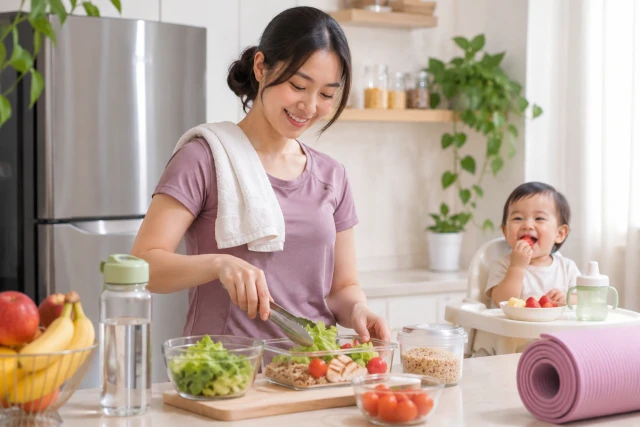
You've finally reached the end of your breastfeeding journey. Congratulations on making it through such an important chapter of motherhood!
After months, or perhaps even years, of pregnancy, childbirth, and breastfeeding, your body has been through a lot of changes.
Now, you might finally feel ready to focus a little more on yourself.
Maybe you want to lose some weight, fit into your old clothes, rebuild your strength, or simply feel more comfortable and confident in your body again.
But once you decide to start, the questions begin.
"Should I start cutting calories immediately?"
"How many calories do I need now that I'm no longer breastfeeding?"
"Why hasn't my weight gone down even though I've stopped breastfeeding?"
"Should I focus on exercise first or start changing my diet?"
If any of these questions sound familiar, you're definitely not alone.
As a dietitian, I've worked with many mothers who want to return to their pre-pregnancy weight but struggle to figure out where to begin while balancing childcare, work, and everyday responsibilities.
The good news? Starting a weight loss journey after breastfeeding doesn't mean you need to drastically reduce your food intake or exercise intensely every day.
Instead, it can be an opportunity to rebuild healthy habits that actually fit your current lifestyle.
Let's talk about where to start!
1. Will You Automatically Lose Weight After Stopping Breastfeeding?
Many mothers expect losing weight to become easier once they stop breastfeeding.
However, that's not always what happens.
During breastfeeding, your body uses additional energy to produce breast milk. Once breastfeeding has completely stopped, the extra energy required for milk production gradually decreases.
But stopping breastfeeding doesn't automatically lead to weight loss.
Your body weight is influenced by several factors, including:
- Your overall calorie intake.
- Daily physical activity.
- Sleep quality and duration.
- Eating habits and snacking patterns.
- Hormonal changes and overall health.
- Stress and emotional well-being.
According to the National Institute of Diabetes and Digestive and Kidney Diseases (NIDDK), breastfeeding may help some women lose weight, but the effect varies between individuals.
So, if you haven't returned to your pre-pregnancy weight, it doesn't mean your body is doing something wrong.
Gooddiet Tips: Instead of immediately comparing your current weight to your pre-pregnancy weight, start by understanding your body's needs and current habits.
2. Should You Start a Calorie Deficit Immediately After Weaning?
The short answer is: not necessarily.
A calorie deficit is an important part of weight loss, but that doesn't mean you need to start eating significantly less right away.
This is especially relevant if you've become accustomed to larger meals during breastfeeding to support your increased energy needs.
After weaning, your calorie requirements may change. However, the appropriate adjustment depends on your overall activity level, body composition, and health.
Instead of immediately restricting your food intake, start by reviewing your current eating patterns.
Ask yourself:
- Do I regularly skip breakfast?
- Do I delay meals because I'm busy caring for my child?
- Do I snack throughout the day instead of eating proper meals?
- Am I still eating the same portions I did while breastfeeding?
- Am I frequently hungry, or do I sometimes eat because I'm exhausted?
Understanding these habits can help you identify realistic changes.
If weight loss is your goal, a moderate calorie deficit can be introduced based on your individual needs and health status.
Gooddiet Tips: Avoid jumping straight into a 1,200-calorie diet, one meal a day (OMAD), or prolonged fasting just because you want to lose pregnancy weight quickly. Every mother's nutritional needs are different.
3. Start by Rebuilding Your Exercise Habits, Not Burning More Calories
After pregnancy, childbirth, and breastfeeding, your physical activity routine may look completely different.
Maybe you used to go to the gym regularly or attend fitness classes several times a week.
Now, finding just 30 minutes for yourself might feel like a challenge.
If you want to get active again, you don't need to start with intense workouts five days a week.
Instead, begin with activities that feel manageable.
- Take a 10–15-minute walk with your child.
- Try gentle strength training at home.
- Join a suitable Pilates or yoga class.
- Go for a relaxed bike ride.
- Add short movement breaks throughout the day.
The American College of Obstetricians and Gynecologists (ACOG) recommends at least 150 minutes of moderate-intensity aerobic activity per week for healthy postpartum women who are medically ready for exercise.
However, you can build toward this gradually.
If you've recently given birth or experienced a cesarean delivery, diastasis recti, pelvic floor symptoms, or persistent pain, your exercise plan should be adapted to your recovery.
Gooddiet Tips: Focus on rebuilding the habit of moving your body before worrying about calories burned or weight lost.
4. Improve Your Eating Habits Without Cutting Out Carbohydrates
One of the most common mistakes people make when starting a diet is immediately eliminating carbohydrates.
Suddenly, rice portions become extremely small, dinner is replaced with fruit, or breakfast becomes just a cup of coffee.
But your body still needs energy to work, move, care for your family, and recover from daily activities.
Rather than following extreme restrictions, focus on building balanced meals.
Carbohydrates
Include rice, bread, potatoes, oatmeal, and other carbohydrate sources according to your energy needs.
Protein
Make sure your main meals contain protein sources such as eggs, fish, chicken, lean meat, tofu, or tempeh.
Protein helps maintain muscle mass and supports fullness.
Vegetables and Fruits
Include a variety of vegetables and fruits to help meet your fiber, vitamin, and mineral requirements.
Healthy Fats
Include appropriate portions of foods such as avocado, nuts, seeds, and plant-based oils.
Here's an example of a simple daily meal routine:
- Breakfast: Whole-grain toast, eggs, and fruit.
- Lunch: Rice, grilled chicken, tofu, and vegetables.
- Afternoon snack: Yogurt and fruit.
- Dinner: Rice, fish, and stir-fried vegetables.
You don't need to prepare special diet meals every day. Regular home-cooked meals and convenient food options can still fit into a healthy eating pattern.
Gooddiet Tips: Instead of focusing on which foods to eliminate, start by making sure your meals provide enough nutrients and energy.
5. Still Experiencing Hunger and Cravings After Breastfeeding?
Some mothers notice changes in their appetite after weaning.
Others find that they're still used to eating larger portions or reaching for snacks more frequently.
These experiences may be influenced by eating habits developed during breastfeeding, sleep quality, stress, and daily routines.
And let's not forget how exhausting motherhood can be.
Between interrupted sleep, work responsibilities, and childcare, convenient and comforting foods can become especially appealing.
If this sounds familiar, try a few simple strategies:
- Eat regular, satisfying meals.
- Keep convenient snacks available, such as fruit, yogurt, boiled eggs, or toast.
- Notice whether your desire to eat comes from hunger, stress, or habit.
- Avoid skipping meals to compensate for eating more than planned.
- Allow yourself to enjoy your favorite foods without unnecessary guilt.
Gooddiet Tips: You don't need to eliminate snacking to lose weight. The goal is to create eating habits that leave you nourished and satisfied throughout the day.
6. Want to Return to Your Pre-Pregnancy Weight? Set Realistic Goals
"I just want my old body back."
This is something I often hear during nutrition consultations.
And there's nothing wrong with wanting to feel more comfortable and confident in your body.
However, it's important to remember something.
Your body has experienced pregnancy, childbirth, and breastfeeding. Rebuilding strength and changing body composition can take time.
Your weight is also not the only indicator of your health or fitness.
Instead of focusing entirely on a number, consider starting with realistic goals:
- Build a more consistent eating schedule.
- Exercise regularly two or three times per week.
- Improve muscle strength and stamina.
- Support better sleep whenever possible.
- Work toward gradual weight loss if appropriate.
The most suitable rate of weight loss depends on your starting weight, medical history, physical activity, and nutritional needs.
You don't need to force yourself to lose several kilograms in a week.
Gooddiet Tips: Track more than just your weight. Notice improvements in energy, strength, waist circumference, fitness, and how comfortable you feel in your daily routine.
7. Why Does Your Belly Still Look Different After Pregnancy?
This is another concern many mothers experience.
Maybe your weight has already decreased, but your abdomen still looks different from before pregnancy.
It's important to understand that changes in abdominal appearance aren't always caused by body fat alone.
Pregnancy can affect the abdominal muscles, connective tissues, posture, and pelvic floor.
Some mothers also experience diastasis recti, which refers to widening of the separation between the two sides of the rectus abdominis muscles.
If this is the case, weight loss alone may not address the underlying muscle function or abdominal changes.
Appropriate exercises and professional assessment, including women's health physiotherapy when needed, can help support recovery.
Avoid pushing through abdominal pain, excessive pressure, urinary leakage, or other pelvic floor symptoms during exercise.
Gooddiet Tips: A postpartum belly doesn't always require stricter dieting. Sometimes, improving muscle function and rebuilding strength are more relevant goals.
8. A Simple 4-Week Plan to Start Your Post-Breastfeeding Wellness Journey
If you're unsure where to begin, try taking small steps over the next four weeks.
Week 1: Understand Your Eating Habits
- Observe your eating patterns without immediately restricting portions.
- Establish more consistent meal times.
- Notice when hunger and cravings occur.
- Stay adequately hydrated.
Week 2: Build a Movement Routine
- Start walking or doing gentle exercise based on your abilities.
- Aim for 10–20 minutes of movement on several days.
- Choose activities you enjoy.
- Gradually increase your activity as your body adapts.
Week 3: Improve Your Meal Quality
- Include protein in your main meals.
- Add more fruits and vegetables.
- Adjust carbohydrate portions according to your needs.
- Prepare convenient, satisfying snack options.
Week 4: Review and Adjust
- Reflect on your energy, hunger, and fitness.
- Evaluate your consistency with meals and exercise.
- Consider a moderate calorie deficit if weight loss is appropriate.
- Adjust your goals to fit your body and family routine.
This four-week structure isn't a promise of rapid weight loss. It's simply a starting point for building sustainable habits.
Final Thoughts: You Don't Have to Start an Extreme Diet After Breastfeeding
Finishing your breastfeeding journey can be a meaningful moment to start focusing on your own health and well-being again.
But beginning a weight loss journey doesn't mean you need to cut out rice, skip dinner, or work out every single day.
Start with what feels realistic and sustainable for your current life.
Build a consistent eating routine.
Focus on balanced nutrition.
Move your body in ways that feel good.
Prioritize rest whenever possible.
And if losing weight is one of your goals, approach it gradually with a plan suited to your needs.
Because ultimately, the goal isn't simply to return to your pre-pregnancy weight.
It's about building a healthier, stronger body and feeling more comfortable in your own skin while navigating the beautiful, challenging journey of motherhood.
Ready to Start Your Post-Breastfeeding Nutrition Journey?
At Gooddiet.id, we understand that every mother's journey is different.
Some want to lose weight after breastfeeding, others want to improve their body composition, and many simply want to rebuild healthier eating and exercise habits.
Through personalized consultations with a dietitian, you can receive nutrition guidance tailored to your calorie needs, eating habits, physical activity, and individual health goals.
Without extreme dieting or giving up all your favorite foods.
Ready to feel healthier, stronger, and more confident? Start your journey with [Gooddiet.id](https://www.instagram.com/gooddiet.id/).
Scientific References
- NIDDK — Health Tips for Pregnant Women: Healthy Habits After Your Baby Is Born
- American College of Obstetricians and Gynecologists — Exercise After Pregnancy
- CDC — Physical Activity Recommendations for Pregnant and Postpartum Women
- MedlinePlus — Losing Weight After Pregnancy
- 2025 Canadian Guideline for Physical Activity, Sedentary Behaviour and Sleep Throughout the First Year Postpartum
- FIGO — Management of Prepregnancy, Pregnancy, and Postpartum Obesity
Want a plan for your own situation?
A post is written for many people. In a consultation the dietitian looks at your habits and targets, then builds an action plan for you.